Shopping Week: Practicing Articles

My preschool-aged nephew got a pop-up play tent for Christmas in the shape of a VW camper van. We play in the camper every time I’m visiting, and I think every primary classroom should have one!

My nephew’s favorite game is shopping at the toy store! He loves to collect items from his basement and load them into the back of his camper. Does he realize he’s practicing articles when I ask him what he bought? Of course not!

Here’s a fun activity to play with young learners in the classroom (even if you don’t have a camper tent). They’ll never know they’re practicing definite and indefinite articles. Be sure to try Sprout English’s NEW lesson on Articles first! We also have a handy Articles chart and bonus exercise on our blog. (more…)

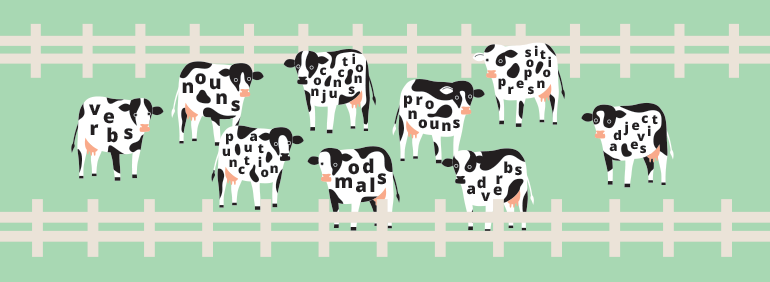
Grammar Roundup: 25+ English Grammar Rules, Charts, Examples & Tips for Young Learners

It’s National Grammar Day on March 4 in the US! Thanks to social media, other countries are getting in on the act too. And really, any day is a good day to improve your grammar! That’s why I decided to round up all the past grammar posts that I’ve written for Sprout English into one place. They are divided up into posts on verbs, other grammar points, and holidays. It’s my hope that teachers of young learners or students studying on their own can benefit from the tips, explanations, and charts in these blog posts. (more…)

Valentine’s Day Interview: A Love Story

Love stories are a lot of fun when they involve people you know. This month, ask your students to interview a couple that they know. They should interview one person at a time using the same four questions (provided below). After the interview, they can practice using the simple past tense to retell the love story to their classmates. Which couple had the best love story?

1. Choose a Couple

Tell your students to choose a couple that they know. Here are some ideas: (more…)

Love Idioms

“I have decided to stick with love. Hate is too great a burden to bear.”
—
Martin Luther King Jr.

Students love learning idioms! With Valentine’s Day just around the corner, it’s the perfect time to teach love idioms to your young learners. Visuals like this poster can really help students remember idioms, which can be difficult because they don’t make literal sense. Last year, our writer Tara Benwell created this fun Love Idioms poster for us. Download the full-size PDF version by clicking on the image or link below.

Download the large-size printable Love Idioms poster PDF
(more…)

Incredibly Pinteresting Ideas for Teachers of Young Learners

“Teachers who love teaching, teach children to love learning.”
—Robert John Meehan

One year I was given a class of two-year-olds. I had never taught students that young before and definitely felt out of my element. I remember asking the teachers I met online for resources and many lead me to some great books, but nothing that I could browse online for inspiration. After hours of online research, I couldn’t find any teacher blogs and sites for teaching toddlers and very young learners. However, the tide has changed, and thanks to the visual social bookmarking site, Pinterest, the web is full of a plethora of magical activities for teaching children of any age. Below, I’ve listed some sites and tips for tapping into the magic! Your problem will soon be that you run out of days to try these lessons with the kiddos you teach. (more…)

How Do You Celebrate Your Students’ Birthdays?

Sprout English’s featured lesson this week is a writing activity called The Party. Do you have parties at your school to celebrate special occasions like birthdays? Here are two fun ideas for celebrating birthdays in the classroom.

1. Create a Class Birthday Book

Print this Birthday Book template. You’ll need one cover page and as many filler pages as you have students.

A few days before a child’s birthday, send a blank birthday page home for the birthday boy or girl to fill out. Your student can fill in the blanks and draw or paste photos in the boxes. The first box is for a baby photo and the second box is for a picture of the student at his or her current age. (more…)

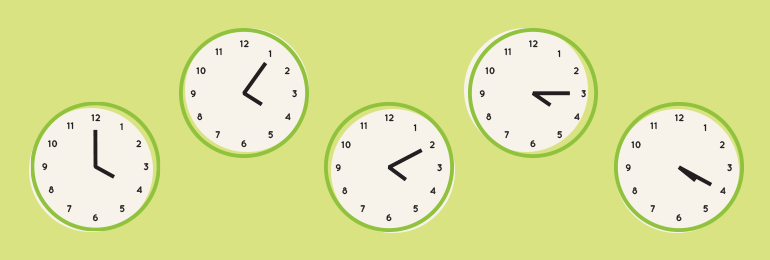
10 Ideas for Practicing Telling Time at Home

Practice Telling Time at Home

When it comes to learning about time and clocks, teachers can teach the basics in the classroom. However, the best way for kids to really practice is at home or when they’re on the go in the real world. Involve your kids whenever you’re consulting a clock and they will quickly learn to tell time naturally.

If English is your second language, make sure that you are saying times correctly. Review Tanya’s pronunciation tips, and practice the dialogues below.

Here are 10 ideas for practicing telling time at home. Each idea comes with a model dialogue with useful vocabulary and phrases for ESL parents. (more…)

Telling Time: Pronunciation

What time is it?

Everyone needs to know how to tell the time. Even if English language learners know how to express clock time in their native language, they might not be familiar or comfortable doing so in English. As a follow-up to our new, kid-friendly Telling Time lesson, I thought I’d record the pronunciation of the times in the lesson so that learners can clearly hear and practice how to express them. I hope this will make your students feel more confident the next time someone asks them, “What time is it?” (more…)

Is This Bullying? Question & Answer Activity

In the Spotlight this week, we’re featuring a lesson on bullying from our Grammar School section. The subject of bullying is extremely important these days, especially now that kids have to deal with a new form of bullying: cyberbullying. After you try our featured lesson Being Brave: Gerunds and Infinitives and review these important rules about gerunds and infinitives, try the following activity.

What Is a Bully?

First, make sure your students understand what bullying really is. Many kids don’t realize that their mean behavior toward others can be classified as bullying. For example, my son and his friend were chanting “Do it! Do it! Do it!” to a neighborhood boy recently when he didn’t want to jump out of a tree in our park. When I told them that ganging up on the boy and chanting was a form of bullying, they felt terrible, and promised to never use that chant again. They’ve learned all about bullying at school, and never imagined themselves as bullies.

While a bully is someone who hurts someone intentionally and repeatedly, bullying can happen quite innocently on the playground or when kids get together for a party or event. Kids may need to be reminded that bullying can be verbal as well as physical.

Ask your students to help you define the word bully. Here is a definition in easy English:

A bully is a person who acts in a mean way towards another person. The bully scares, threatens, or hurts the other person. Bullies aren’t always bigger or stronger than their victims. A bully may use his or her age, strength, social status, or intelligence to make another person feel weaker. A bully isn’t always a kid. Adults are sometimes bullies to each other or to kids. Bullies don’t always work alone.

Is He/She a Bully?

Remind your kids that they should report bullies to teachers or parents. Here is a little checklist they can review.

Is he trying to hurt another person physically? (more…)

6 Easy Grammar Rules for Gerunds & Infinitives

When I introduce a gerunds and infinitives activity in class, I’m usually faced with looks of quiet desperation or grim determination. Most students find the endless list of verbs to memorize daunting, to say the least! Also, most textbooks don’t cover the fact that there ARE a few helpful rules for deciding whether to use a gerund or an infinitive in a sentence. The next time you’re doing gerunds and infinitives in class, try teaching the rules below—your students will thank you!

The Basics

Gerund: VERB + -ING (eating, going, studying)
Infinitive: TO + BASE VERB (to eat, to go, to study) (more…)