
Join Erica as she makes a movie about her family in this week’s Spotlight lesson, Erica’s Movie. Your students will see the present progressive in context, and they will compare this tense with the simple present in the follow-up tasks. (more…)
Join Erica as she makes a movie about her family in this week’s Spotlight lesson, Erica’s Movie. Your students will see the present progressive in context, and they will compare this tense with the simple present in the follow-up tasks. (more…)

The English language has many modals—words that come before verbs and provide extra meaning such as ability, necessity, possibility, etc. The modals of ability, can and could, are useful for students to learn early on. We’ve created a new Modals of Ability lesson that centers around a common theme: hobbies and leisure activities! (more…)
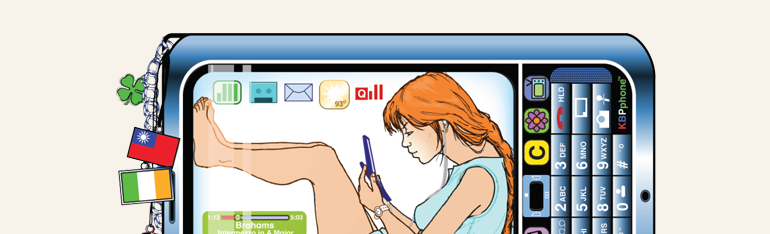
Do your students all have their own cell phones? If they don’t, they probably wish they did! Mobile phones are so prevalent in our culture these days, so our Mobile Phone – Reading Lesson will be relevant and fun for your young English learners.
(more…)

Please see our updated 2015 post here: http://blog.sproutenglish.com/christmas-vocabulary-lesson-3/
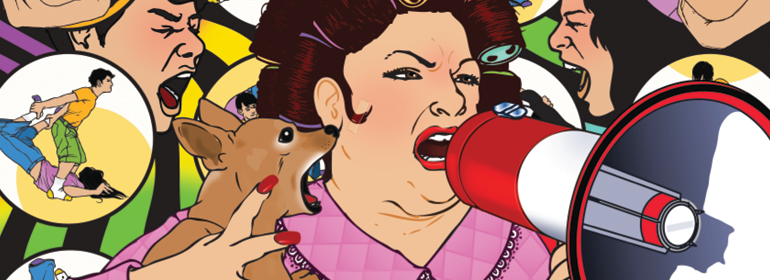
Are your students or children ready for a review of the basic verb tenses? This week’s Spotlight lesson, Juan and Sofia – Simple Past Reading, includes the simple present, present progressive, and simple past tenses, and will engage your kids with a hilarious story and fun, educational activities!
This lesson includes a short reading, comprehension questions, sentence puzzles, a crossword, and a group discussion activity to review the simple present, present progressive, and simple past. There is also a helpful spelling review on forming the past tense of regular verbs.
All of the readings in our Library section have a digital component, so teachers and parents can choose how to present the reading and comprehension questions—either on paper or online!
Other simple past resources: (more…)

We are excited to present our NEW lower-level, simple present lesson on the verb “to be”! We’ve come up with a brand new template for this lesson, and we’d love your feedback! Please let us know what you think (what was useful, what was missing, etc.) in the Comments section below or through the Contact page on our website.
Introducing yourself in English is one of the first things students should learn. Our Simple Present – Be lesson in the Basic Grammar Structures section of the Grammar School gives students plenty of chances to practice this! (more…)

Turn Off the TV, in the Simple Past Dialogues 2 category of the Conversation Station, is Sprout English’s lesson of the week.
This one-page dialogue is the perfect way to review the simple present, present progressive, and simple past. All three tenses are used naturally in this conversation between a father and his daughter. The topic of a parent wanting a child to stop watching TV and go study is something kids can definitely relate to! (more…)
The simple present tense is one of the first things English language learners learn. Later on, grammar textbooks introduce the present progressive (also known as the present continuous), and students learn how to describe actions that are happening at that time. The problem is that most textbooks don’t compare these two present tenses together, so young learners don’t often realize which one to use in different situations.
When I was teaching TOEIC test prep classes to beginner and intermediate students, I would compare and contrast the two tenses side by side, and my students would tell me that this method really helped them understand the differences. Try the method outlined below with your young learners as an introduction to the present progressive or as a review of these two essential tenses.  (more…)
