
The 2015 Major League Baseball season runs from April 5 to October 4 in the US. Our Spotlight lesson, Baseball: Simple Present Reading, introduces young learners to a boy who loves playing baseball.
(more…)
The 2015 Major League Baseball season runs from April 5 to October 4 in the US. Our Spotlight lesson, Baseball: Simple Present Reading, introduces young learners to a boy who loves playing baseball.
(more…)

See our updated worksheet for 2016: http://blog.sproutenglish.com/spring-find-the-objects-2/

Find our updated Easter vocabulary lesson for 2017 here: http://bit.ly/VocabEaster

We are adding to the Transportation & Housing section of our Word Bank section this week with our new, beautifully illustrated lesson on The Kitchen!
The Kitchen vocabulary lesson includes a colorful picture dictionary, matchup, word choice, word search, word scramble, and spelling bee. Students can also practice the new vocabulary in context with questions that you can use for discussion or writing. (more…)

Article use varies widely among the languages of the world. Some languages, such as French, have six articles while others have none—Japanese, for example. English has three main articles, and they tend to cause a lot of problems for English language learners! Our new Articles lesson aims to simplify English article usage by providing charts and examples that make it easy for your students to tell the difference between a, an, and the. (more…)

Find our updated Spotlight lesson for 2016 here: http://blog.sproutenglish.com/st-patricks-day-materials/
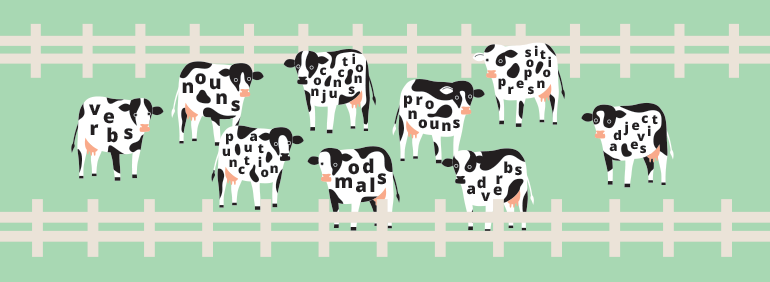
It’s National Grammar Day on March 4 in the US! Thanks to social media, other countries are getting in on the act too. And really, any day is a good day to improve your grammar! That’s why I decided to round up all the past grammar posts that I’ve written for Sprout English into one place. They are divided up into posts on verbs, other grammar points, and holidays. It’s my hope that teachers of young learners or students studying on their own can benefit from the tips, explanations, and charts in these blog posts. (more…)

With the drawing activities in our Project Depot, your young learners will be having so much fun that they won’t even realize they’re developing their listening and/or reading skills! This week, we’re featuring our House Listen and Draw/Read and Draw activity. (more…)

Students of all levels and ages need some basic vocabulary to describe where they live. Our new Word Bank lesson, My House, is the perfect place to start!
The My House lesson includes a colorful picture dictionary, matchup, word choice, word search, word scramble, and spelling bee. Your learners will learn if swing set, flower box, front yard, and backyard are one or two words. (more…)

The /th/ sound (/θ/ for the voiceless sound and /ð/ for the voiced sound, written phonetically) is not common in many other languages, so English language learners usually struggle with this sound. I’ve found that encouraging students (both children and adults) to “stick out their tongues” (put their tongues between their teeth) is a fun way to get them to practice making this sound. Our phonics lesson on “th” words will have your students pronouncing and spelling words like month, thanks, these, and father in no time! (more…)
